
shakaizen
Yoga, Pranayama & Meditation Retreats In Leh, Ladakh
Private yoga, pranayama and meditation retreats in Leh, Ladakh, grounded in the classical teachings and scriptures to help you cultivate a practice that truly integrates body, breath, and mind.
Leh sits at 3,500 meters in the Ladakh region of the Indian Himalayas, surrounded by peaks that reach beyond 6,000 meters. This is high-altitude terrain where the air is thin, the landscape stark, and the conditions unforgiving for those unprepared—but transformative for those who are.
The region carries both historical and spiritual weight. Leh was the capital of the ancient Himalayan kingdom of Ladakh, a crossroads on the Silk Road where Buddhist, Islamic, and Hindu traditions converged. Ancient monasteries cling to mountainsides, some over a thousand years old, built by practitioners who understood that this altitude strips away everything superfluous. The land itself has been shaped by centuries of meditation, pilgrimage, and the kind of practice that requires you to meet reality on its terms.
The elevation becomes the central teacher here. At 3,500 meters, every breath is deliberate, every movement requires presence, every moment of inattention reveals itself immediately. The body cannot lie at this altitude—pranayama becomes unavoidable rather than optional, meditation finds less mental resistance when physical survival itself demands stillness and awareness.
The landscape’s austerity mirrors the practice itself. Barren mountains, vast skies, almost no trees, limited vegetation—nothing to distract from what is. No performative wellness culture penetrates this far. The remoteness and altitude create natural boundaries that filter for serious practitioners willing to meet the teachings without the cushioning of comfort.
CRITICAL: Leh requires proper acclimatization. Arriving directly by flight can trigger altitude sickness. Ideally, practitioners spend 10-15 days in Manali (at 2,000 meters) before ascending to Leh, allowing the body to adapt gradually to thinner air.
Authentic
Retreats that do not involve new age pseudo practices, focusing solely on the classical teachings of yoga to ensure an authentic experience.
Intimate
Retreats limited to a maximum of 4 persons, ensuring personalized attention and a more meaningful experience.
Pragmatic
A pragmatic approach, with an emphasis on learning through observation, reflection, critical thinking and practical applications.
Experience
Yoga and meditation retreats led by a highly experienced teacher who bring a wealth of knowledge and real life experience.
Leh, Ladakh Retreat Structure
These retreats integrate the four foundational elements of classical yoga practice. Rather than fixed daily schedules, the structure remains responsive—practice happens when conditions are optimal, adapted to your capacity and what each day reveals.
While there are no rigid schedules, a typical day includes:
- Morning practice: Asana when the body is ready, followed by pranayama when breath settles
- Mid-morning: Tea, rest, or exploration of the valley
- Afternoon: Philosophy discussion or continued practice depending on questions and energy
- Evening: Meditation/concentration training, then evening discussion or reflection
Some days are intensive. Others are minimal. The structure responds to what your practice needs rather than imposing predetermined patterns.
Asana practice here returns to its original purpose: preparing the body for sustained sitting during pranayama and meditation. Rather than chasing flexibility, the focus is on structural alignment that creates stability without injury.
What this means in practice:
- Standing postures that build foundational strength and balance
- Seated postures that develop hip mobility and spinal alignment for meditation
- Twists and forward bends that maintain spinal health
- Gentle backbends that open the chest for better breathing
- Inversions when appropriate for your capacity
- Emphasis on breath integration throughout all postures
The approach draws from classical Hatha Yoga texts (Hatha Yoga Pradipika, Gheranda Samhita) rather than contemporary branded systems. Postures are taught for what the body needs to sit comfortably for extended periods, not for aesthetic achievement.
Pranayama is the central practice. At 2,000 meters, every breath becomes vivid—the thinner air forces attention to breath efficiency and makes retention practices particularly powerful.
Progressive training includes:
- Foundation: Breath awareness, diaphragmatic breathing, establishing smooth baseline patterns
- Core techniques: Ujjayi (throat breathing), Nadi Shodhana (alternate nostril), Sama Vritti (equal breathing)
- Intermediate: Brief retention (kumbhaka), Kapalabhati (rapid exhalation), specific ratios
- Advanced: Extended retention patterns, Bhastrika (bellows breath), cooling techniques—taught only when foundations are solid
Safety is non-negotiable. Techniques are introduced progressively based on your readiness, not predetermined schedules. Some practices that are appropriate at sea level require modification at altitude.
What’s practiced is concentration training—dharana—not “meditation” in the contemporary sense. You’ll learn to place attention on a chosen object and return it when it wanders, building the capacity that allows actual meditation (dhyana) to arise naturally.
Concentration techniques taught:
- Breath observation: Attention on natural breath rhythm
- Mantra practice: Silent repetition coordinated with breath
- Body awareness: Systematic attention through physical sensations
- Visual focus: External objects or internal visualization when appropriate
- Witness practice: Observing thoughts without engagement (advanced)
Sessions begin once asana and pranayama have created sufficient stability. Attempting concentration with an uncomfortable body or chaotic breath produces frustration, not progress.
Philosophy is integrated directly with practice through discussion, text study, and investigation of what arises during sessions.
We work with source texts:
- Yoga Sutras: Understanding the nature of mind (chitta vritti), the afflictions (kleshas), and the eight-limbed path
- Bhagavad Gita: Karma yoga, dharma, and how practice relates to lived life
- Upanishads: Questions of consciousness, self, and reality
- Hatha Yoga texts: The energetic model underlying pranayama and meditation
The approach is Socratic: Not lectures about what texts mean, but investigation through questions. What is this sutra claiming? Does your experience confirm it? When concentration breaks, which klesha is operating? How does yesterday’s pranayama session relate to what the Pradipika describes?
Philosophy becomes diagnostic tool for understanding your practice—why certain techniques work, why others don’t, what patterns keep arising, where the practice is leading.
Leh, ladakh
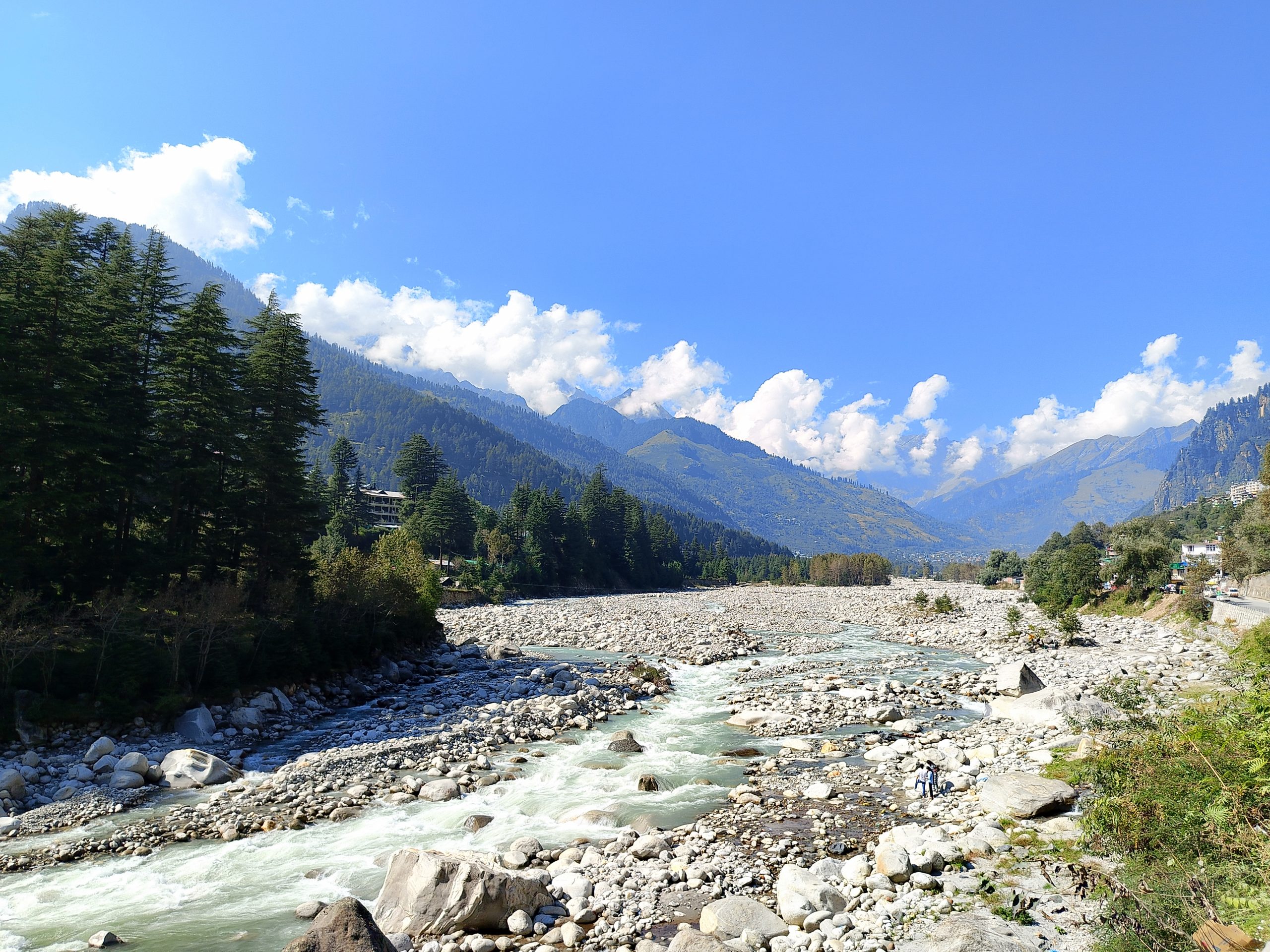
8 Days/7 Nights Retreat
- 7 Nights accommodation in private room at local guesthouses or family homestays
- 7 Days of practice
- Group size 1-4 persons
- 60 minutes yoga asana per day
- 60 minutes yoga philosophy per day
- 45 minutes pranayama per day
- 15 minutes meditation per day
NOT INCLUDED
- Meals (giving you flexibility to eat when hungry, at local cafes and restaurants)
- Flights
- Transportation to/from Manali
- Personal Expenses
15 Days/14 Nights Retreat
$3500
- 14 Nights accommodation in private room at local guesthouses or family homestays
- 14 Days of practice
- Group size 1-4 persons
- 60 minutes yoga asana per day
- 60 minutes yoga philosophy per day
- 45 minutes pranayama per day
- 15 minutes meditation per day
NOT INCLUDED
- Meals (giving you flexibility to eat when hungry, at local cafes and restaurants)
- Flights
- Transportation to/from Manali
- Personal Expenses
22 Days/21 Nights Retreat
- 21 Nights accommodation in private room at local guesthouses or family homestays
- 21 Days of practice
- Group size 1-4 persons
- 60 minutes yoga asana per day
- 60 minutes yoga philosophy per day
- 45 minutes pranayama per day
- 15 minutes meditation per day
NOT INCLUDED
- Meals (giving you flexibility to eat when hungry, at local cafes and restaurants)
- Flights
- Transportation to/from Manali
- Personal Expenses
Practical Information
Best time to visit:
May-June: Roads open, cooler temperatures (10-20°C), fewer tourists, some facilities still closed
July-August: Peak season, warmest (15-30°C), most reliable weather, all facilities open, higher prices
September-October: Cooling again (5-20°C), beautiful autumn colors, fewer tourists, excellent season
November-April: Roads closed, flights unreliable, most facilities shut. Not accessible.
What to bring:
Warm layers (temperatures drop significantly at night)
Comfortable clothes for practice
Yoga mat if you have a preferred one (otherwise provided)
Journal for philosophy notes and reflection
Any prescribed medications
Modest clothing for temple visits
Realistic expectations about infrastructure (power cuts happen, internet is unreliable, hot water may be limited)
Medical considerations:
Pre-existing heart or lung conditions: consult doctor before booking
High blood pressure: may worsen at altitude
Pregnancy: not recommended
Recent surgery: wait 3+ months
Getting here:
By air: Direct flights from Delhi to Leh (1 hour)—convenient but dangerous for acclimatization
By road: Manali to Leh (475km, 2 days with overnight in Sarchu or Jispa)—much better for acclimatization. Road open May-October only.
CRITICAL – Acclimatization requirements:
Altitude sickness is not negotiable. Symptoms include:
Severe headache
Nausea/vomiting
Dizziness and fatigue
Shortness of breath at rest
Insomnia
Loss of appetite
Recommended approach:
Spend 10-15 days in Manali (2,000m) first
Travel to Leh by road (2-day journey with gradual ascent)
Rest completely for first 2-3 days in Leh
Begin gentle practice only after symptoms clear